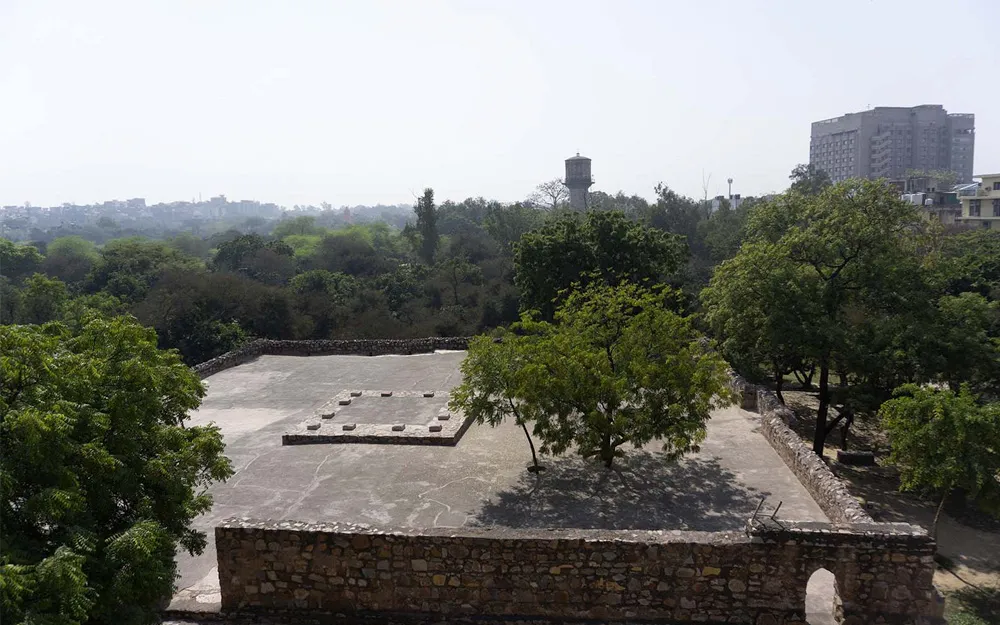
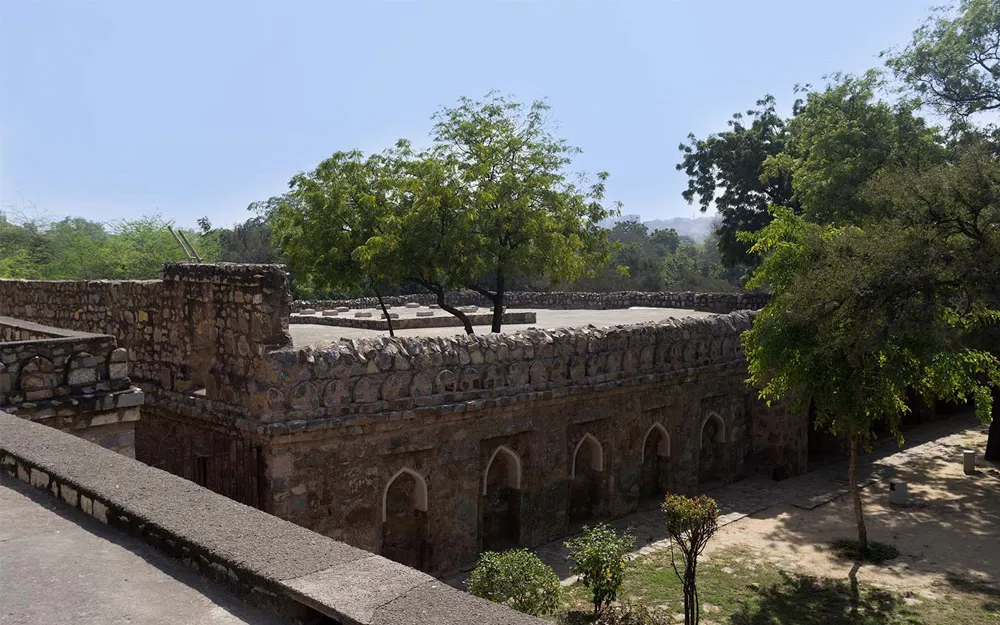
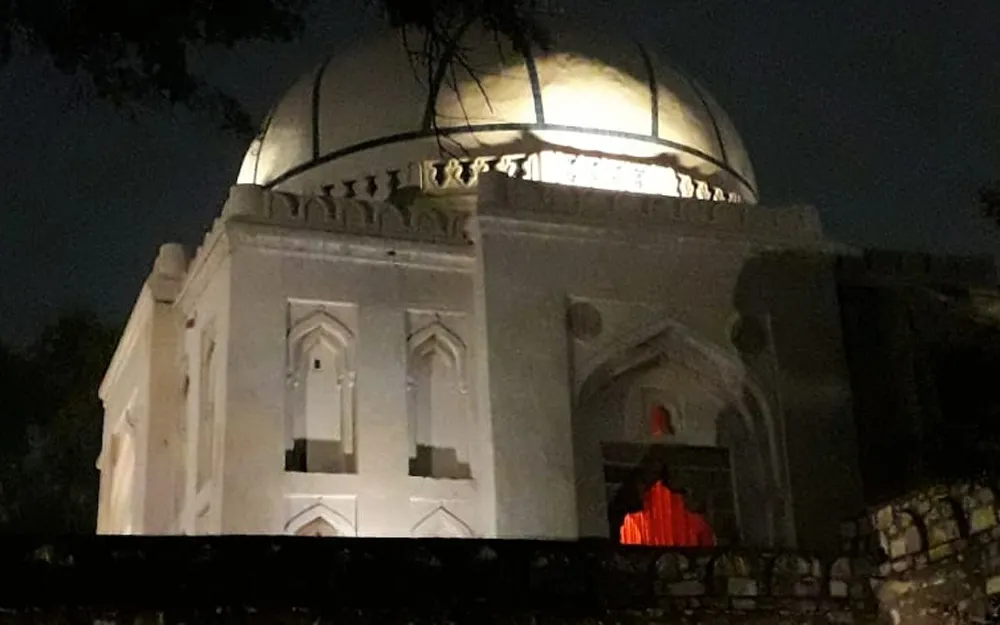
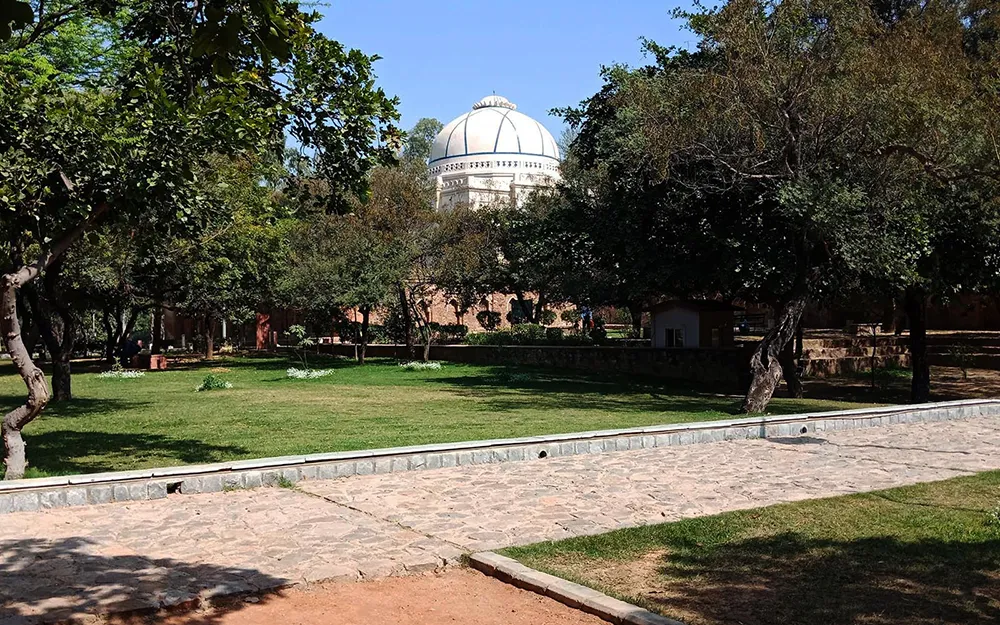
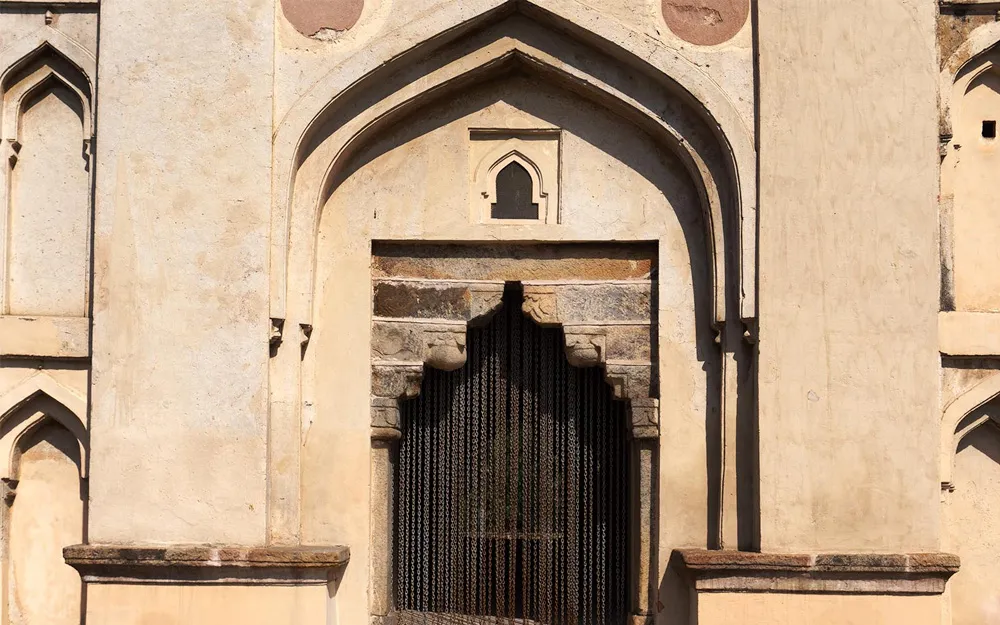
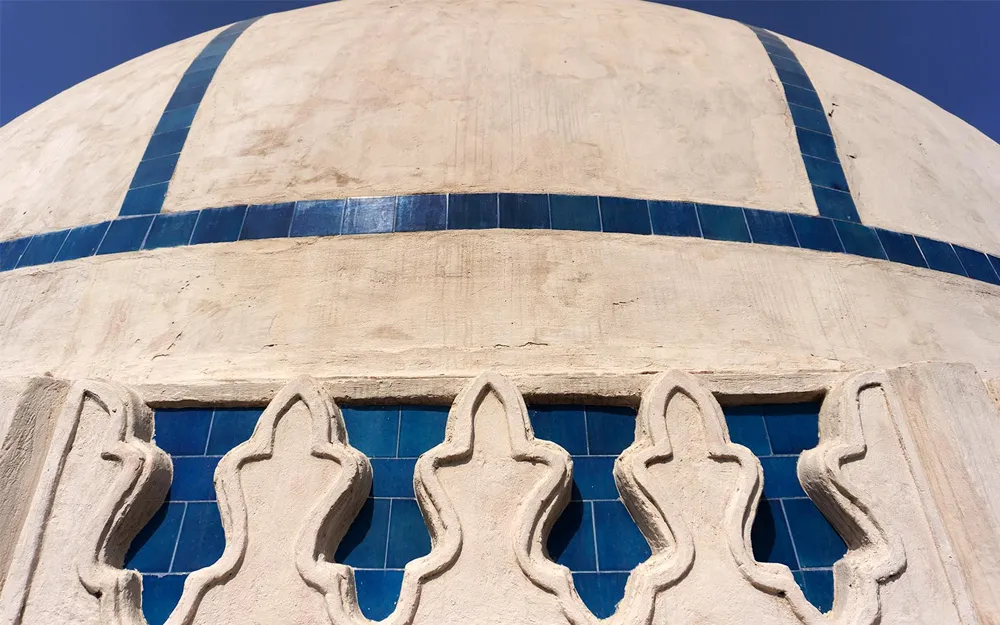
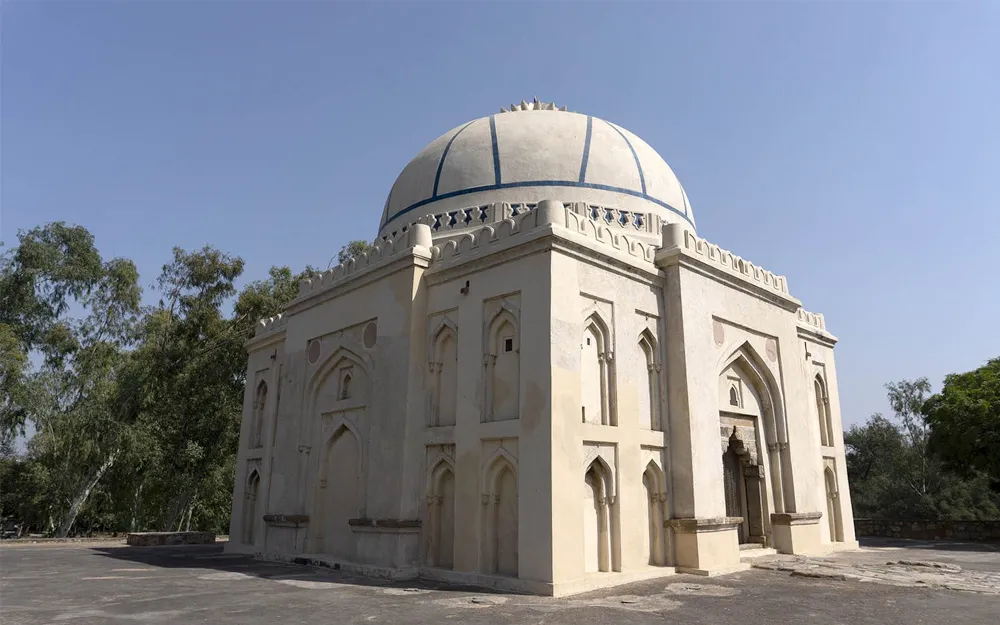
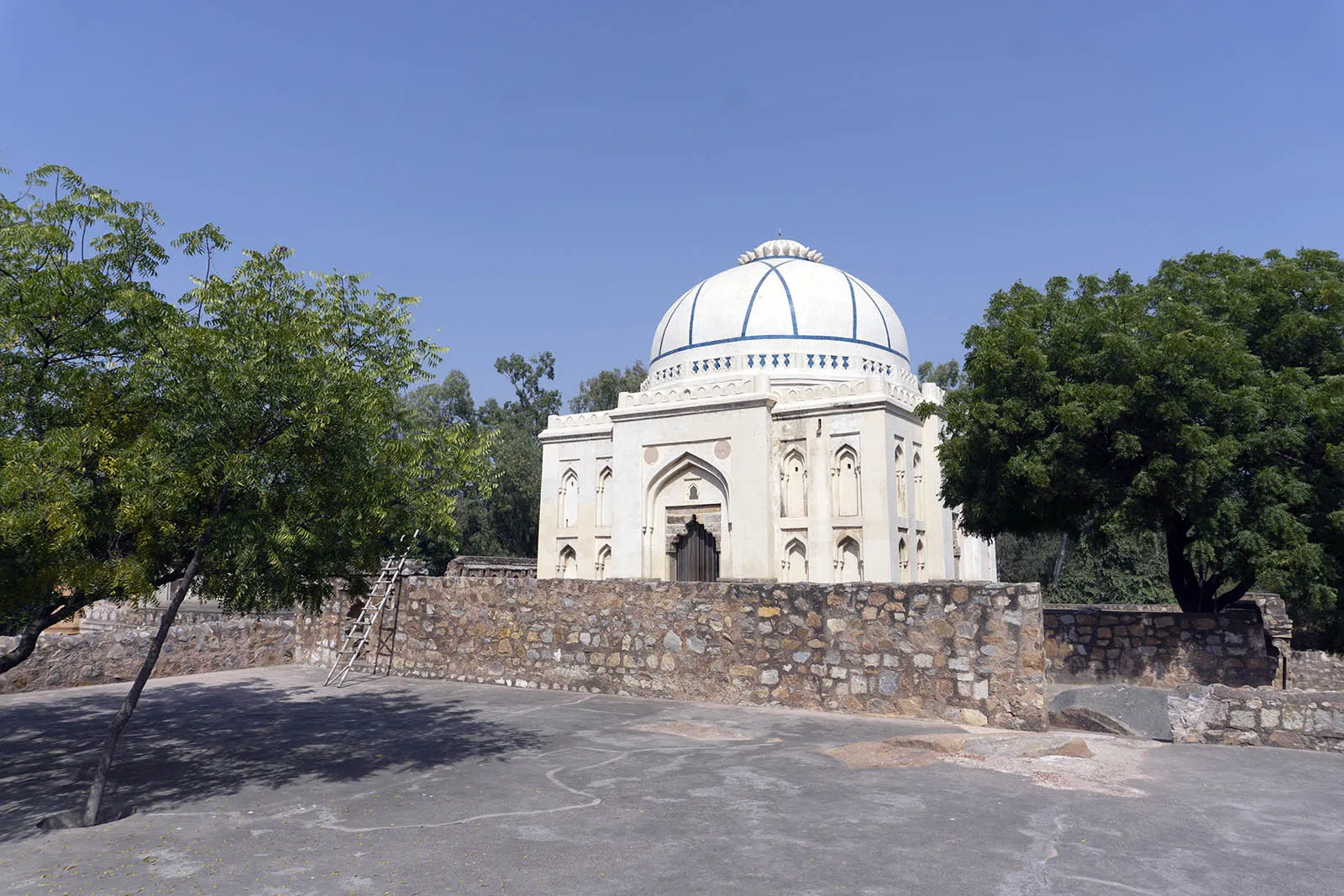
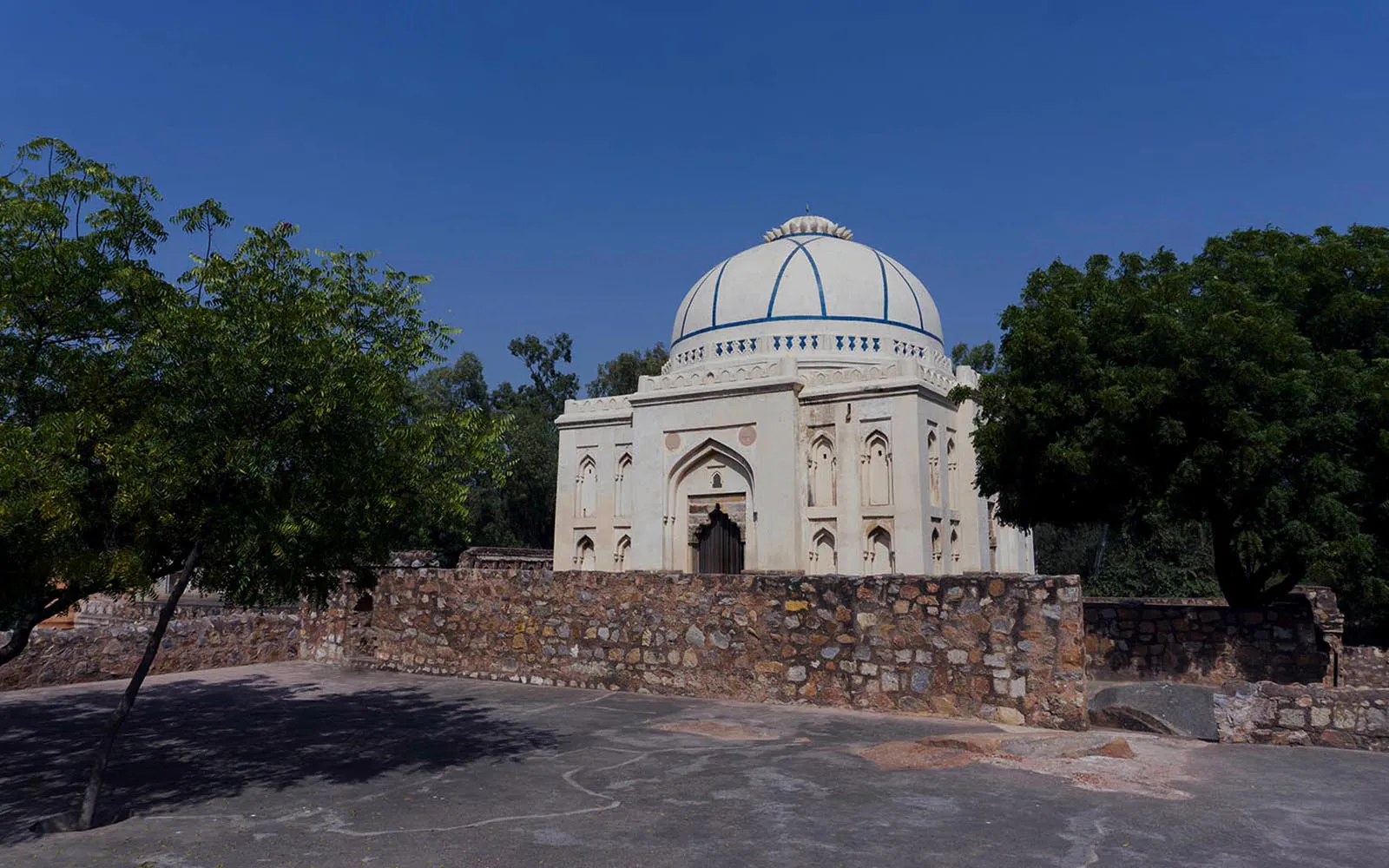
The epicentre of the garden, Bara Lao ka Gumbad dominates the skyline of Vasant Udyan and it’s magnificent presence can be seen from every corner of the park. This monument dates back to the Lodi period in the late 15th century.
A domed pavilion that erstwhile existed, has now vanished. It belonged to a Baradari, a structure with twelve doors, ruins of which can still be seen in the complex.
Amaltas Court
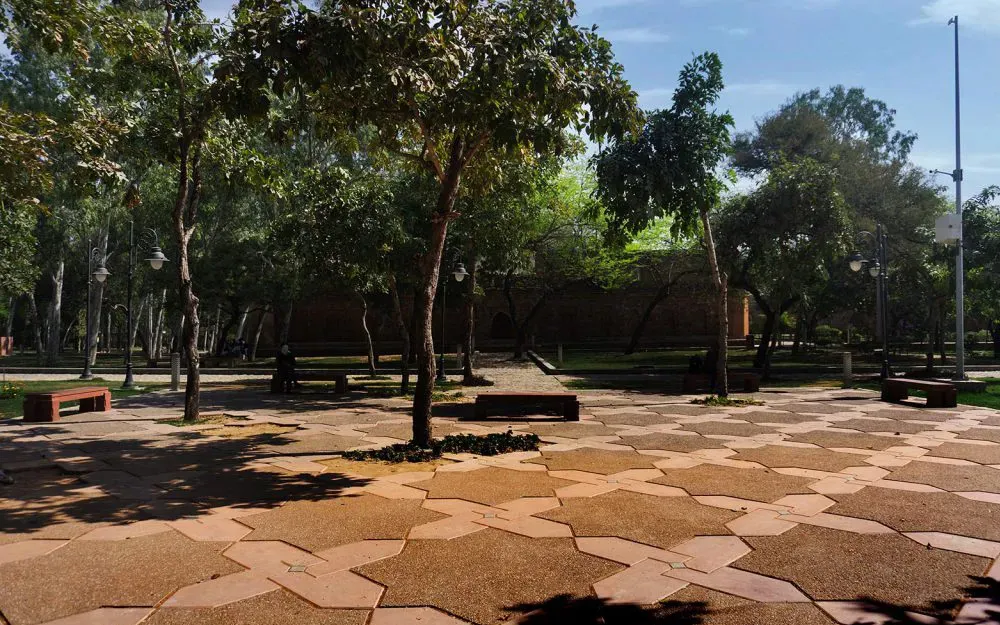
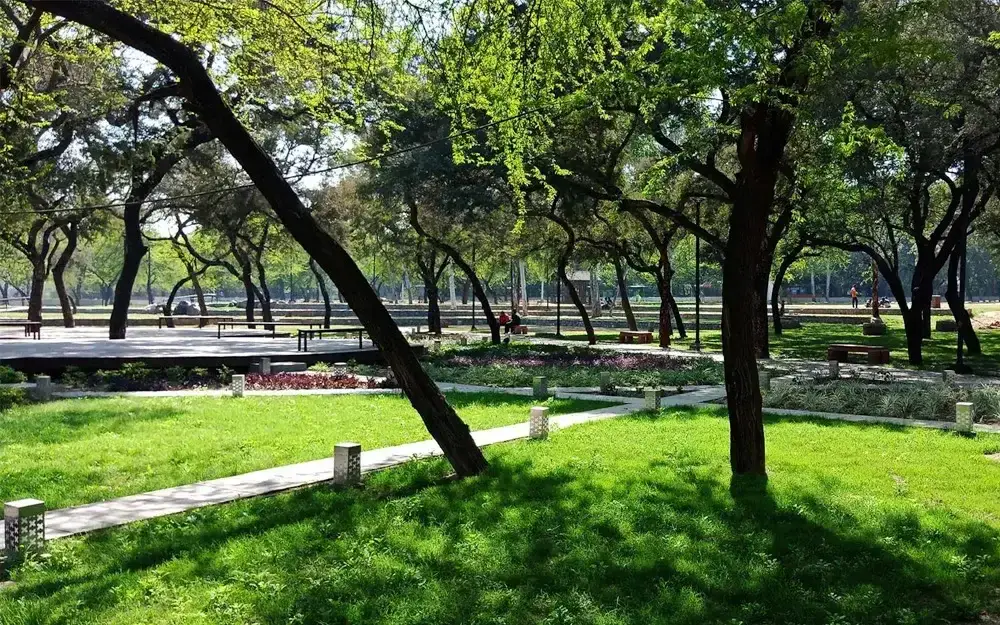
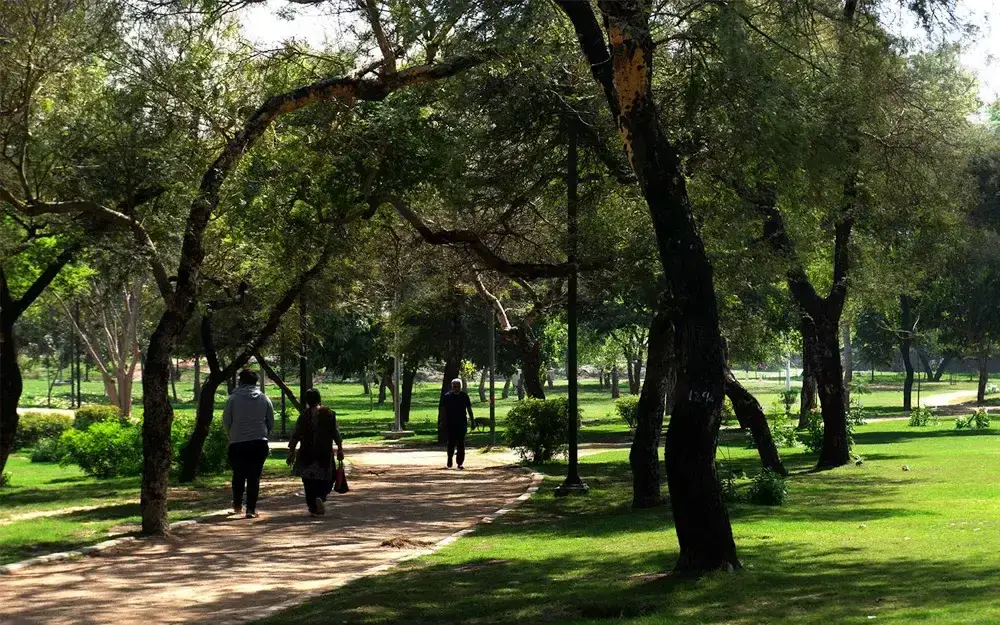
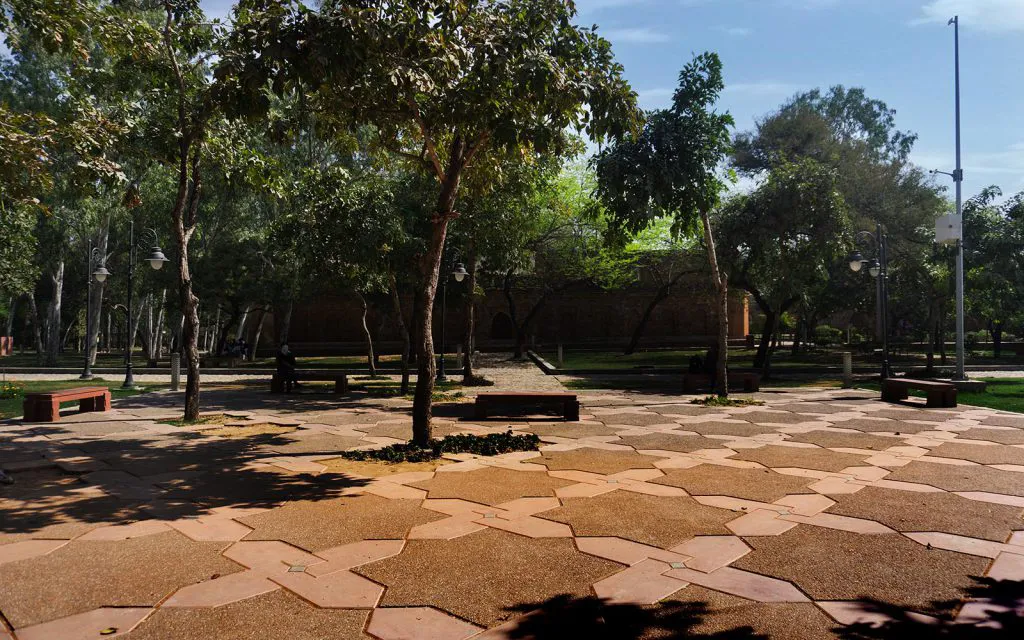
The Amaltas Court features a beautiful canopy of deciduous Amaltas trees, truly reflective of Bahaar, or an eternal springtime. These trees lay a carpet of yellow flowers on the ground, when in full bloom. The court is laid out on the symmetrical axis of the Bara Lao Ka Gumbad and the other end of which extends to Basant Lok.
Poetry Garden
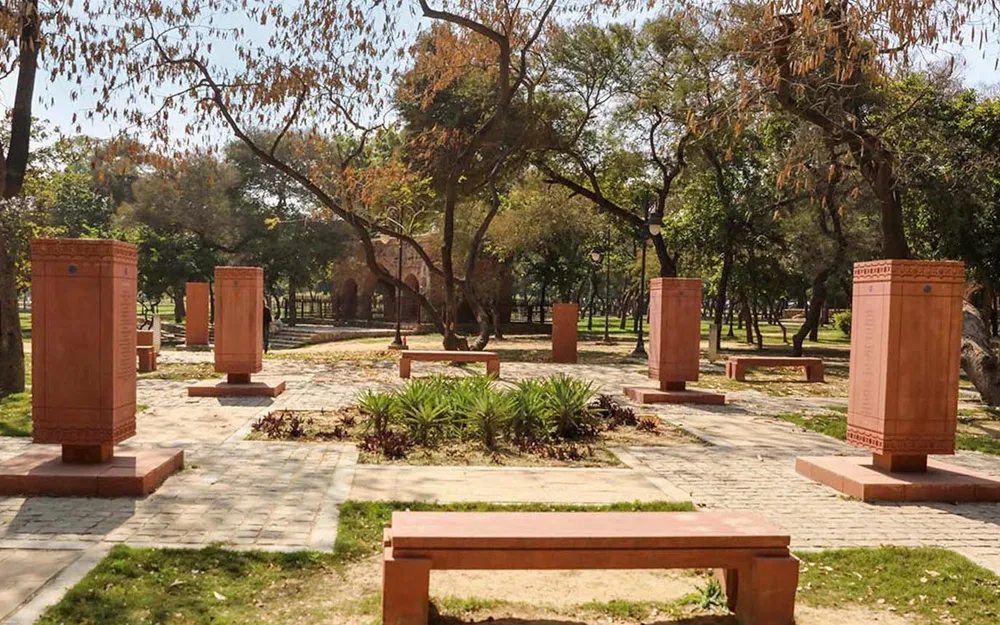
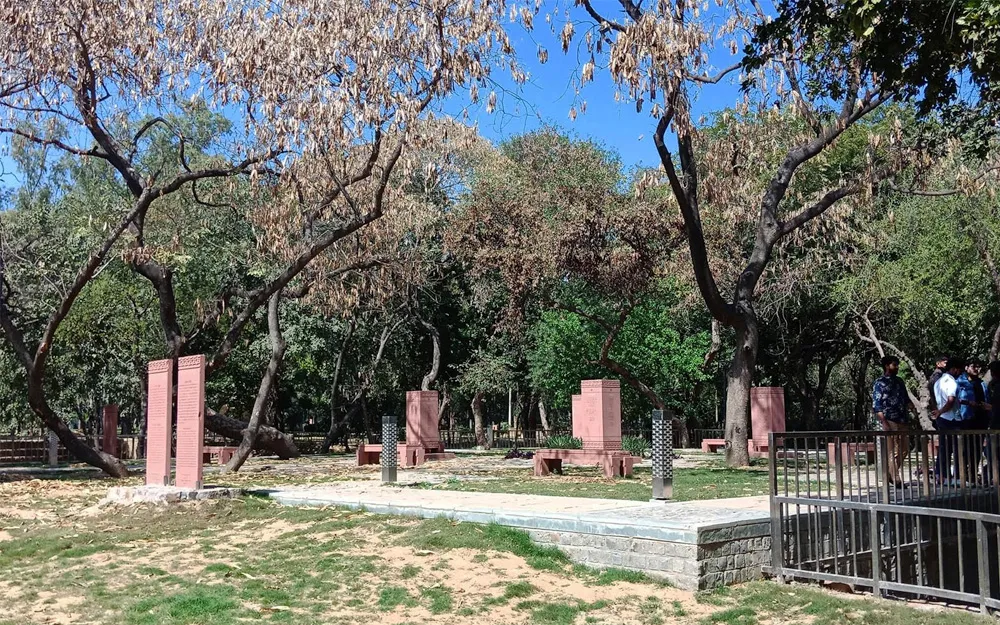
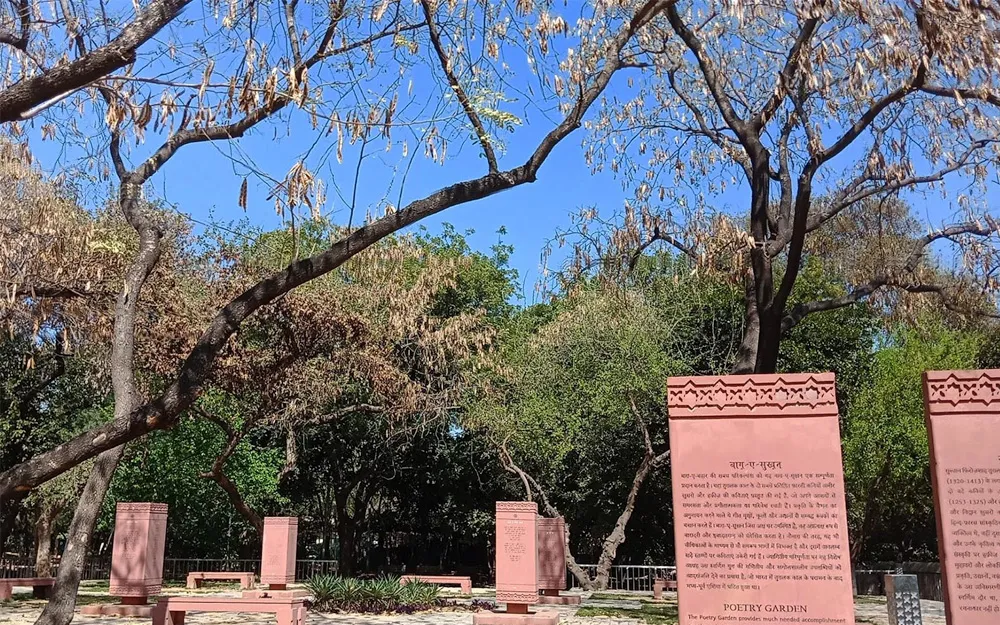
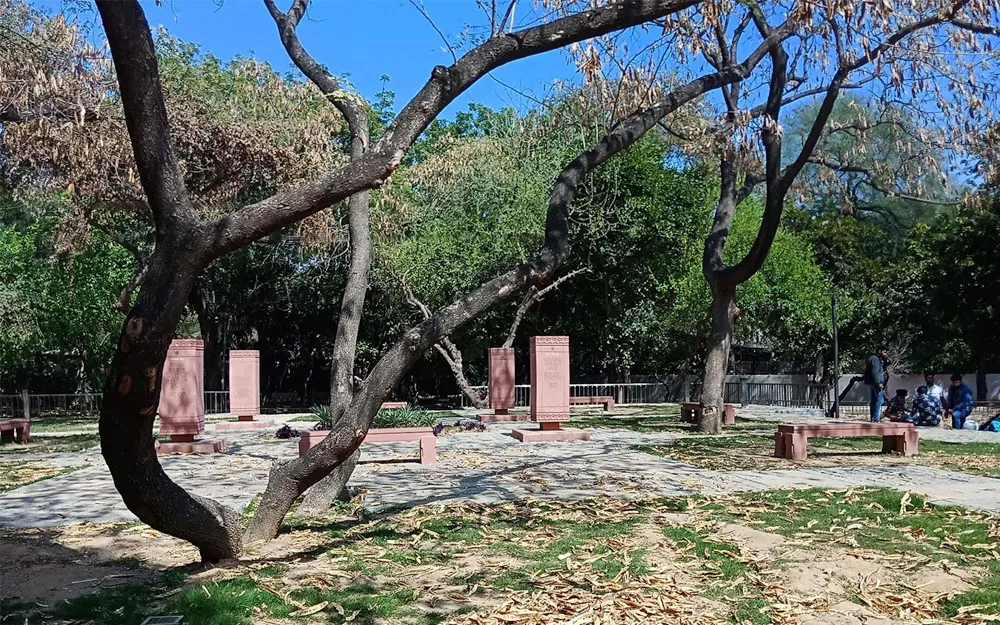
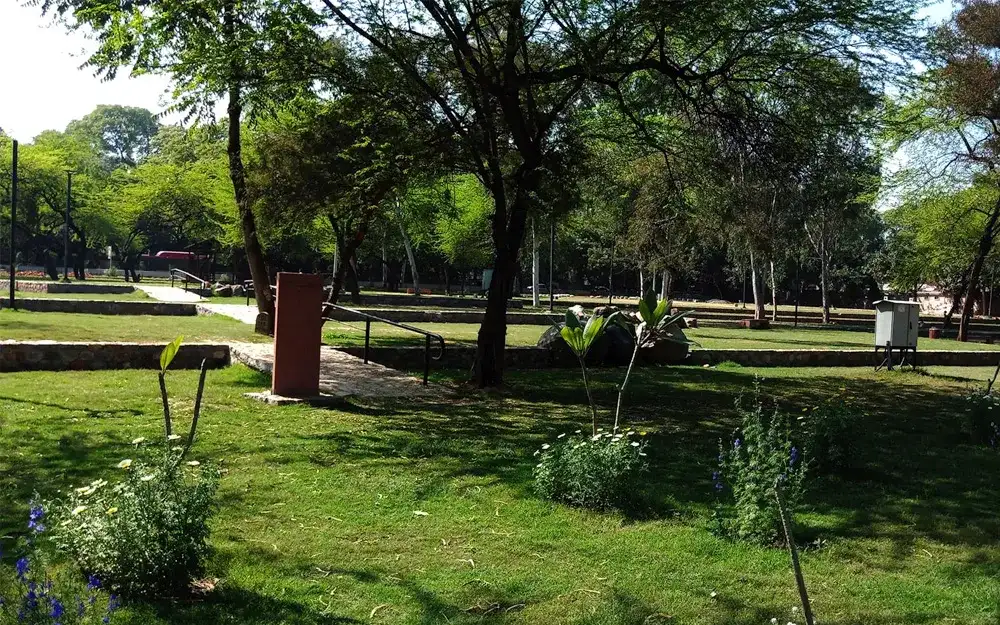
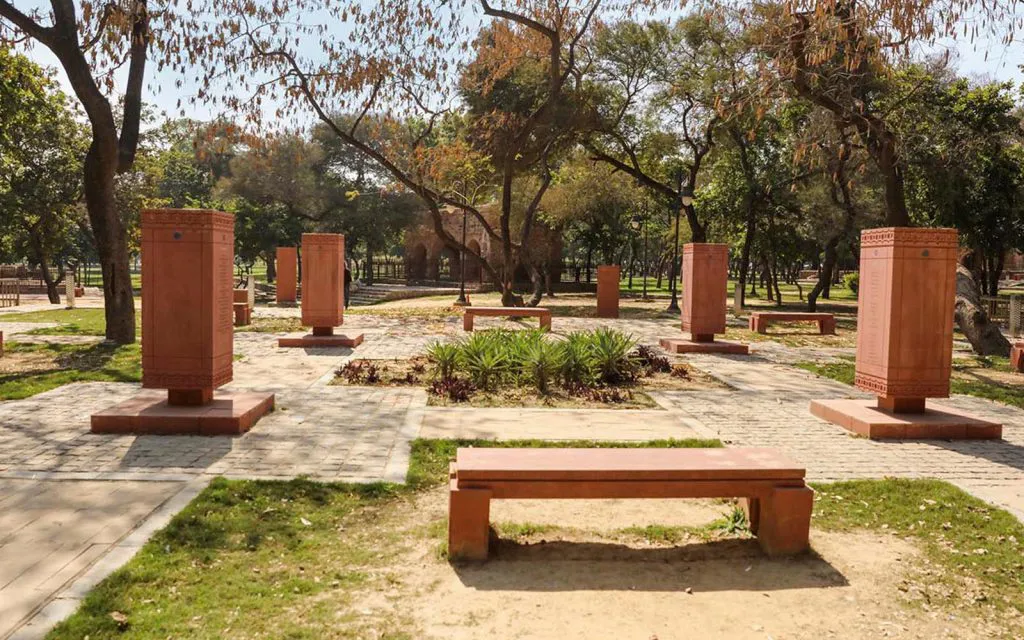
The Poetry Garden offers a charming glimpse of masterpieces by celebrated poets of that era. Verses from two of the most renowned Tughlaq era Persian poets namely Amir Khusrau and Hafez, are reproduced here to create a harmony and symphony of songs. The lyrics of the verses are dedicated to the glory of bountiful nature and sing praise of spectacular trees. Just like Naubagh, Poetry Garden is also a miniature ‘nine – division’ garden, divided by pathways consisting of nine equally measured squares, having columns inscribed with poetic verses.
Poetry Garden
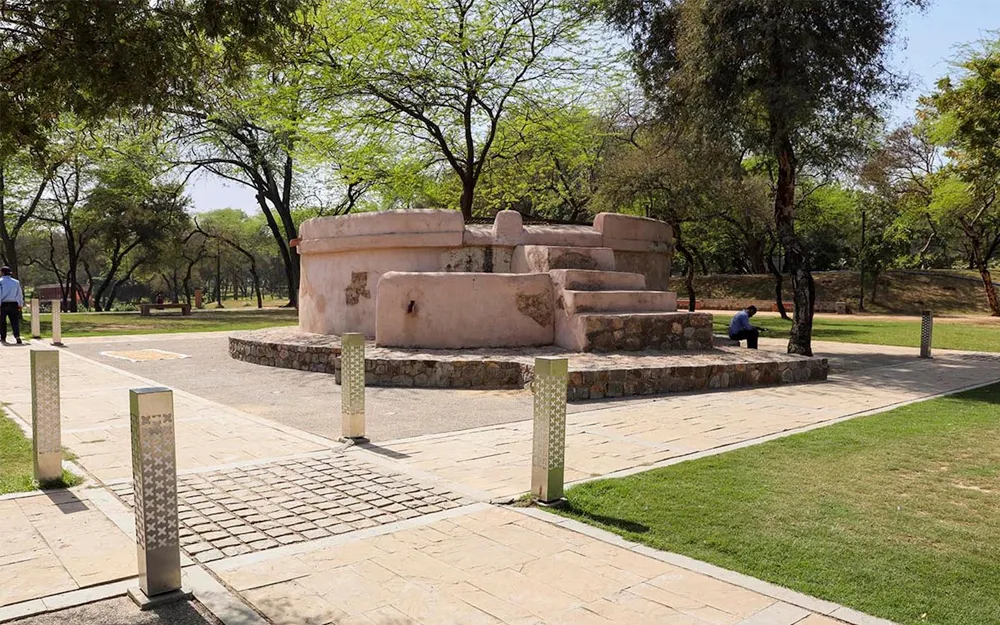
Naubagh – a miniature ‘nine-division’ garden is a layout of neat geometry, consisting nine equally measured squares. It is split by the pathways and placed around the ‘well’ structure that binds the southern extent of the Terrace Garden.
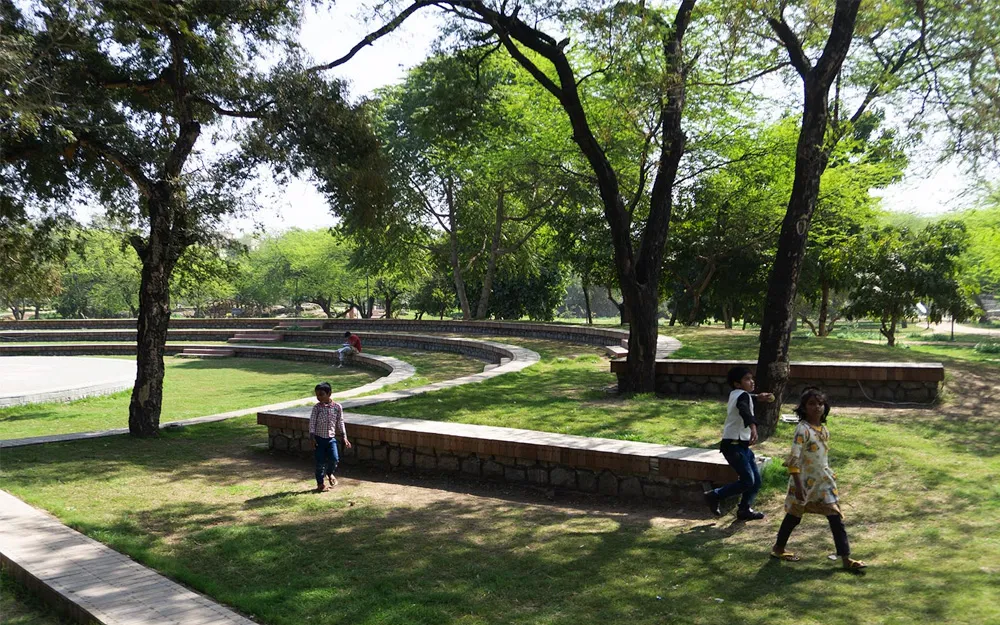
Amphitheatre 'Gulzar'
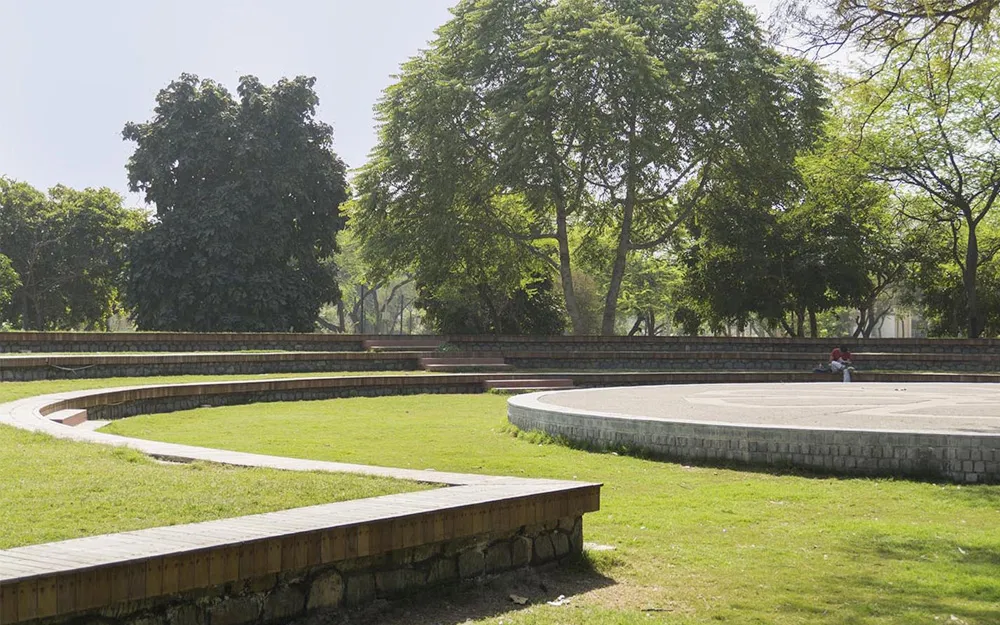
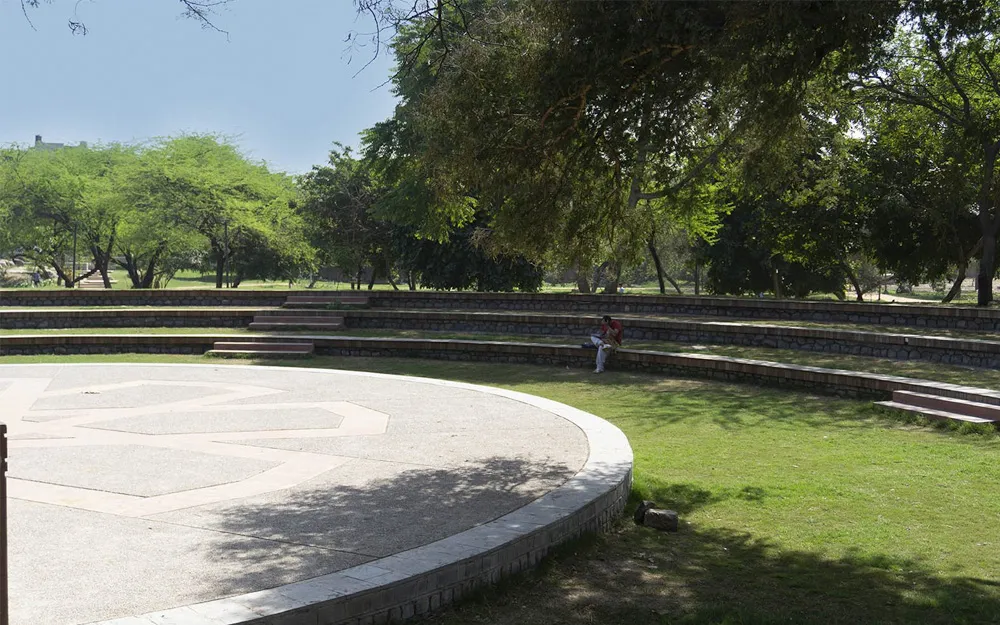
Gulzar, an open air arena or amphitheatre, is the culmination point for the inconspicuous axis connecting Bara Lao ka Gumbad to Naubagh.
Gulzar – a poetic expression, perfectly befitting for this serene park binds the entire vocabulary of the garden together – a perfect place for introspection and rumination as well as association and solidarity.
A voyage through our heritage & culture amidst peaceful nature
Monument 'Bagh-e-Bahisht'
Persian literature celebrates gardens as an earthly representation of paradise.
This garden is the earliest example in India of a garden complex (a garden with monuments). The design scheme creates a Charbagh for the Tomb & the Baradari. The axes of the Charbagh are complemented entirely till the entrances towards the Poorvi Marg and Basant Lok Complex.